
Shooting for Beginners: A Complete Starter Guide

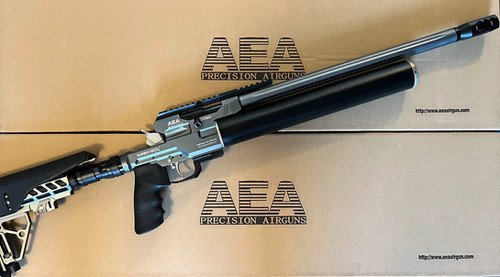
Getting started in shooting sports can feel overwhelming at first, but with the right approach, it becomes a structured and highly rewarding skill to learn. Whether your interest is target shooting, sport shooting, or outdoor recreational practice, mastering the fundamentals is the key to building confidence and consistency.
This guide breaks down the essential basics every beginner should know.
Safety Always Comes First
Before anything else, safety is the most important principle in shooting.
Every beginner should follow these core safety rules:
- Always treat every firearm or device as if it is loaded
- Keep your finger off the trigger until ready to shoot
- Never point the muzzle at anything you are not willing to shoot
- Be aware of your target and what is beyond it
Good habits built early will define your long-term experience.
Understanding Your Equipment
Before shooting, it is important to understand how your equipment works.
Beginners should learn:
- Basic components of the shooting platform
- Loading and unloading procedures
- How safety mechanisms function
- Proper storage and handling
Familiarity with your gear reduces mistakes and improves confidence.
Proper Shooting Stance
A stable stance is the foundation of accuracy.
Common beginner-friendly stance principles include:
- Feet shoulder-width apart
- Slight forward lean for balance
- Relaxed but controlled posture
- Stable upper body alignment
A good stance helps manage recoil and improves control during repeated shots.
Grip and Control
How you hold your equipment directly affects accuracy and comfort.
Key points include:
- Firm but not overly tight grip
- Consistent hand placement
- Avoiding unnecessary tension
- Maintaining control without strain
A balanced grip improves both precision and comfort over time.
Aiming Basics
Understanding how to aim properly is essential for beginners.
Focus on:
- Aligning sights correctly
- Keeping both eyes open when possible
- Maintaining focus on the front sight or reticle
- Ensuring stable positioning before shooting
Good aiming habits significantly improve consistency.
Breathing and Trigger Control
Two often overlooked skills are breathing and trigger control.
Best practices:
- Take slow, steady breaths
- Pause briefly before firing
- Apply smooth, gradual trigger pressure
- Avoid jerking or sudden movements
These techniques help reduce unwanted movement during firing.
Choosing Beginner-Friendly Equipment
Selecting the right equipment can make learning much easier.
Beginners should look for:
- Simple operation without complex adjustments
- Comfortable weight and size
- Reliable performance
- Easy maintenance
Starting with user-friendly equipment builds confidence faster.
Practice in a Controlled Environment
Beginners should always practice in safe, supervised settings.
Good practice environments include:
- Shooting ranges with supervision
- Training sessions with instructors
- Controlled outdoor areas where legal and safe
Consistent practice is essential for improvement.
Building Consistency Over Time
Shooting is a skill that improves with repetition.
Focus on:
- Regular practice sessions
- Reviewing mistakes and adjusting technique
- Avoiding rushing progress
- Developing muscle memory
Small improvements over time lead to strong long-term results.
Common Beginner Mistakes
New shooters often make similar mistakes, such as:
- Gripping too tightly
- Poor stance alignment
- Rushing shots
- Ignoring safety fundamentals
Recognizing these early helps avoid bad habits.
Final Thoughts
Learning to shoot as a beginner is about patience, discipline, and consistency. By focusing on safety, fundamentals, and proper technique, new shooters can build a strong foundation that supports long-term improvement.
With steady practice and the right mindset, shooting becomes not only a skill but also a controlled and enjoyable outdoor activity.