
The Rise of Modern Tactical-Style Outdoor Accessories

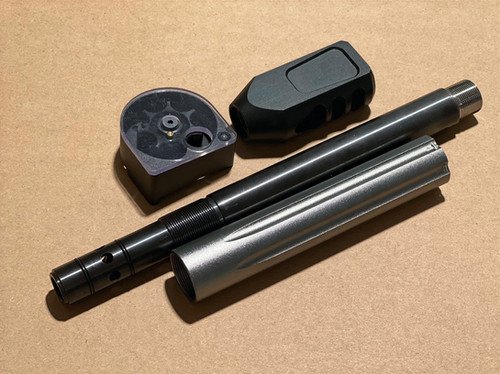
In recent years, tactical-style outdoor accessories have become increasingly popular across a wide range of activities, from hiking and camping to hunting and general outdoor exploration. Originally influenced by military design principles, these products have evolved into practical tools for everyday outdoor users who value durability, modularity, and performance.
Today’s tactical-style gear is no longer limited to specialized users. Instead, it has become a mainstream choice for outdoor enthusiasts seeking reliable and efficient equipment.
Function-Driven Design Philosophy
One of the key reasons behind the rise of tactical-style accessories is their focus on function over appearance.
These products are designed to perform reliably in demanding environments, prioritizing usability and efficiency.
Core design principles include:
- Practical functionality
- Minimal unnecessary features
- Easy operation in real-world conditions
- Strong focus on durability and reliability
This approach resonates strongly with users who prefer performance-driven equipment.
Durability Built for Demanding Environments
Tactical-style accessories are known for their rugged construction.
They are typically built using materials and finishes designed to withstand:
- Impact and rough handling
- Harsh weather conditions
- Dust, dirt, and moisture
- Extended field use
This durability makes them especially appealing for outdoor users who need equipment they can depend on in unpredictable environments.
Modular Systems Increase Flexibility
A major advantage of modern tactical-style gear is modularity.
Many products are designed to be compatible with accessory systems that allow users to customize their setup.
Benefits of modular design include:
- Easy customization based on user needs
- Ability to add or remove components
- Adaptability across different environments
- Reduced need for multiple specialized setups
This flexibility helps users create more efficient and personalized configurations.
Improved Portability and Compact Design
While early tactical gear was often bulky, modern designs focus heavily on portability.
Manufacturers now prioritize:
- Lightweight construction
- Compact form factors
- Efficient storage options
- Balanced weight distribution
These improvements allow users to maintain mobility without sacrificing durability or performance.
Ergonomics and User Comfort
Modern tactical-style accessories place increasing importance on comfort.
Ergonomic improvements include:
- Contoured grips and handling surfaces
- Adjustable components for different users
- Balanced designs for reduced fatigue
- Intuitive control layouts
These features improve usability during long outdoor sessions and reduce physical strain.
Better Performance Through Modern Materials
Advancements in materials science have significantly improved tactical-style equipment.
Common innovations include:
- High-strength polymers
- Lightweight aluminum alloys
- Corrosion-resistant coatings
- Reinforced structural designs
These materials provide a strong balance between durability and weight efficiency.
Versatility Across Outdoor Activities
One of the reasons tactical-style accessories have become so popular is their versatility.
They are now widely used in:
- Hunting and field sports
- Camping and survival activities
- Outdoor training and recreation
- Travel and general outdoor use
Their adaptability makes them a practical choice for users with varied outdoor interests.
A Shift Toward Practical Aesthetics
Modern tactical-style gear also reflects a design shift toward clean, functional aesthetics.
Instead of overly complex or decorative designs, these products often feature:
- Minimalist styling
- Functional visual structure
- Matte or non-reflective finishes
- Clean, purposeful layouts
This combination of appearance and functionality appeals to modern outdoor users.
Technology and Innovation Integration
New technologies continue to enhance tactical-style accessories, improving both performance and usability.
Examples include:
- Improved manufacturing precision
- Enhanced weather resistance
- Better component integration
- Smarter, more efficient design layouts
These innovations help maintain reliability while improving user experience.