
How Smart Gear Choices Improve Outdoor Experiences

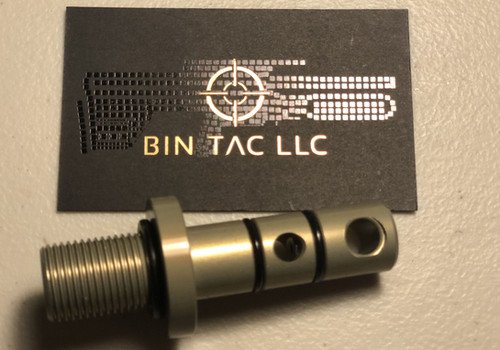
Outdoor experiences are shaped not only by the environment but also by the equipment users bring with them. Smart gear choices can significantly improve comfort, efficiency, safety, and overall enjoyment in a wide range of outdoor activities, including hiking, camping, hunting, travel, and general exploration.
As outdoor lifestyles become more dynamic and mobile, selecting the right gear has become an essential part of creating a better overall experience.
Smart Choices Start with Understanding Your Needs
The foundation of smart gear selection is understanding how and where the equipment will be used.
Different users have different priorities:
- Some value lightweight portability for travel and mobility
- Others prioritize durability for harsh environments
- Some focus on comfort and ease of use
- Others need versatility for multiple activities
Choosing gear based on real usage needs helps avoid unnecessary complexity and improves long-term satisfaction.
Lightweight Gear Enhances Freedom of Movement
One of the most important factors in outdoor experiences is mobility.
Lightweight equipment reduces physical strain and allows users to move more freely. This leads to a more enjoyable and less tiring experience, especially during long trips or extended outdoor activities.
Benefits include:
- Reduced fatigue
- Easier transportation
- Improved agility
- Better endurance over time
Smart gear choices often prioritize weight efficiency without sacrificing performance.
Portability Improves Convenience
Portable gear is easier to carry, store, and organize. This is especially important for users who frequently travel or switch between environments.
Compact equipment allows for:
- Faster packing and unpacking
- Easier storage in backpacks or vehicles
- More efficient travel setups
- Reduced physical burden
By improving portability, users can focus more on the experience itself rather than managing equipment.
Durability Ensures Reliability in the Field
Smart gear choices also emphasize durability.
Outdoor environments can be unpredictable, exposing equipment to:
- Weather changes
- Physical impact
- Dust and moisture
- Long-term use
Durable products help ensure consistent performance and reduce the risk of equipment failure during critical moments.
Reliable gear increases confidence and allows users to fully engage in their activities.
Comfort Improves Overall Enjoyment
Comfort plays a key role in shaping outdoor experiences.
Well-designed gear often features:
- Ergonomic shapes
- Balanced weight distribution
- Easy-to-use controls
- Smooth operation
Comfortable equipment reduces stress and fatigue, allowing users to enjoy longer and more productive outdoor sessions.
Efficiency Comes from Practical Design
Smart gear choices often focus on efficiency rather than unnecessary features.
Efficient designs help users:
- Save time during setup and use
- Reduce unnecessary steps
- Improve workflow in outdoor environments
- Stay focused on the activity itself
Practical design ensures that equipment supports the user rather than complicating the experience.
Versatility Adds Real Value
Multi-purpose gear is increasingly popular among outdoor users.
Versatile equipment allows users to:
- Adapt to different environments
- Reduce the number of items carried
- Increase overall functionality
- Simplify gear management
This flexibility makes outdoor experiences smoother and more adaptable.
Technology Supports Better Performance
Modern materials and engineering continue to improve outdoor gear.
Advancements include:
- Stronger lightweight materials
- Improved weather resistance
- Enhanced durability
- More compact designs
- Better usability
Technology is now focused on improving real-world usability rather than adding unnecessary complexity.
Simplicity Leads to Better Experiences
In many cases, simpler gear provides a better overall experience.
Simple, well-designed equipment tends to be:
- Easier to operate
- More reliable
- Faster to learn
- Less prone to issues
Reducing complexity helps users focus more on their outdoor activities and less on managing equipment.