
The Smart Builder’s Guide to Pistol Optics: Performance, Value, and the Direct-to-Consumer Revolution

The Evolution of the Micro Red Dot Sight
Over the past few years, the handguns landscape has undergone a massive transformation. Slimline micro-compact platforms have become the baseline standard for everyday carry, target practice, and tactical simulation. Alongside this shift, mounted micro red dot sights (RDS) have evolved from niche accessories into essential gear for modern shooters.
As optics become more integrated into everyday training, builders and enthusiasts are paying closer attention to what actually goes into a reliable handgun sight: durability, glass clarity, reticle stability, and mounting footprint versatility.
However, for a long time, entering the micro-optic ecosystem meant navigating a steep price barrier. High market prices often forced builders to choose between overextending their budget or settling for fragile, entry-level clones that couldn’t hold zero under real-world use.
What Truly Determines the Quality of a Micro Optic?
When evaluating a micro open reflex sight for your platform, performance comes down to three key technical pillars:
1. Material Integrity (7075-T6 Alloy vs. Standard Aluminum)
A handgun optic experiences extreme kinetic forces during operation and tactical movement. Premium optics utilize 7075-T6 military-grade aluminum, which offers superior tensile strength and impact resistance compared to standard 6061 aluminum. This ensures the housing maintains structural integrity even under heavy slide cycling and rough field handling.
2. Optical Clarity and Parallax-Free Glass
A crisp reticle is useless if optical distortion throws off your point of impact. High-tier optics feature multi-coated, parallax-free glass that provides unlimited eye relief and true target alignment. Whether you are shooting under harsh midday sunlight or low-light tactical environments, the emitter should deliver a clean dot without excessive blooming or ghosting.
3. Low-Profile K-Footprint Engineering
Proper fitment is critical. Direct-fit compatibility with standard K-footprint slides ensures a low deck height. This low profile allows shooters to transition naturally from traditional iron sights to dot acquisition without forcing awkward high-mount adjustments.
The Direct-to-Consumer Shift: High Performance, No Corporate Markup
Why have high-spec micro optics traditionally carried premium price tags?
In traditional retail supply chains, the final cost of an optic is heavily inflated by multi-tier distribution networks, corporate overhead, and aggressive global marketing budgets. The consumer ends up paying for the brand machinery as much as the actual glass and metal.
At XGA, we believe hard-use tactical gear should be accessible to every passionate builder, target shooter, and MilSim competitor.
By streamlining our manufacturing process, maintaining strict quality control standards, and delivering products directly from our production facilities to the shooter, we eliminate unnecessary corporate markups. This allows us to deliver uncompromising 7075-T6 construction, precision optical performance, and true K-footprint reliability at a realistic, enthusiast-friendly price point.
Engineered for the Hard-Use Builder
Whether you are configuring a custom training setup, upgrading your EDC platform, or outfitting multiple builds for tactical simulation, you shouldn’t have to compromise on build quality to stay within budget.
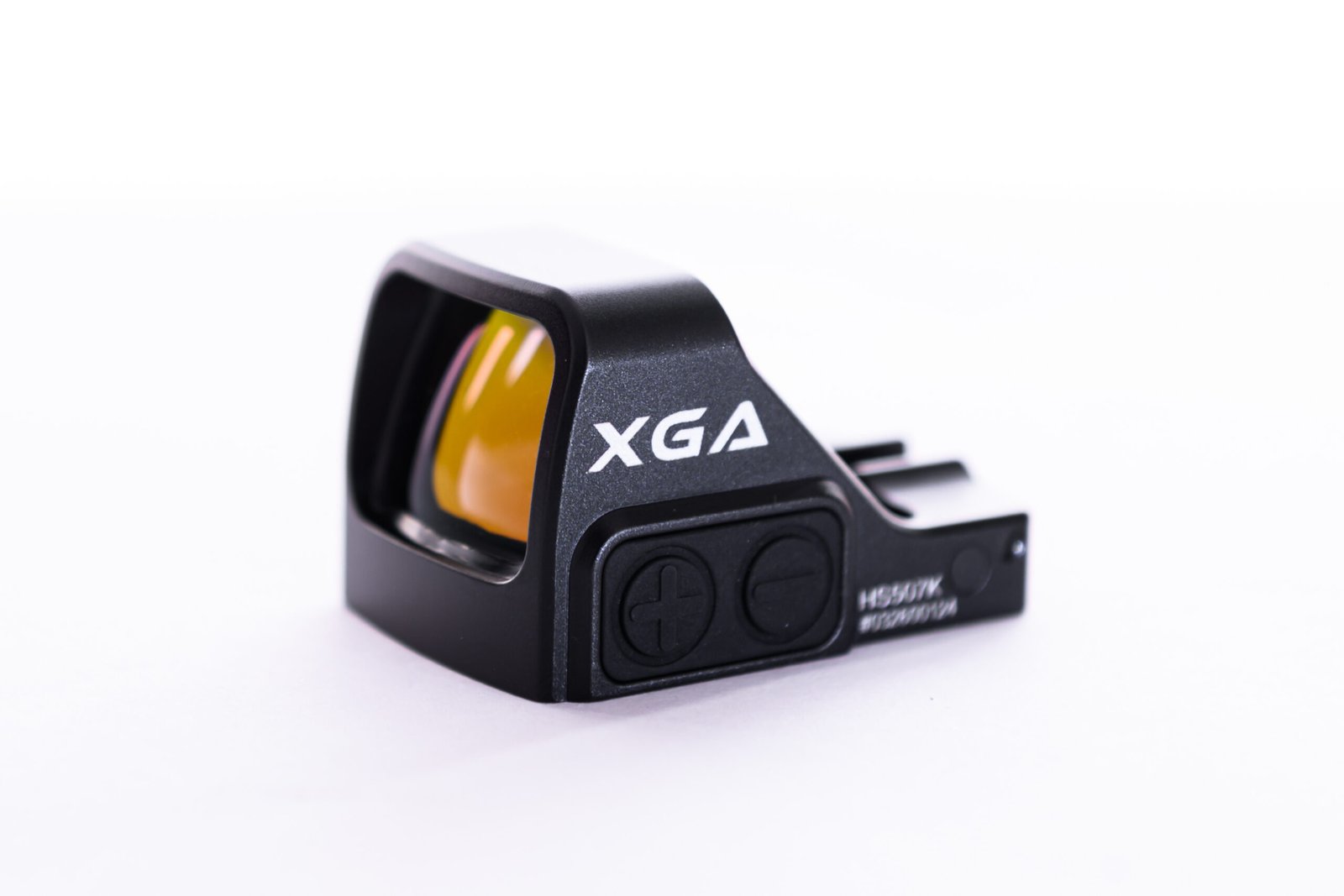
The XGA Micro Open Reflex Series is built to deliver high-visibility reticles, rugged alloy housing, and seamless slide compatibility—giving you maximum confidence with every drop, rack, and shot.
👉 Ready to upgrade your optical setup with true engineering value?