
How Outdoor Gear Design Is Becoming More User-Focused

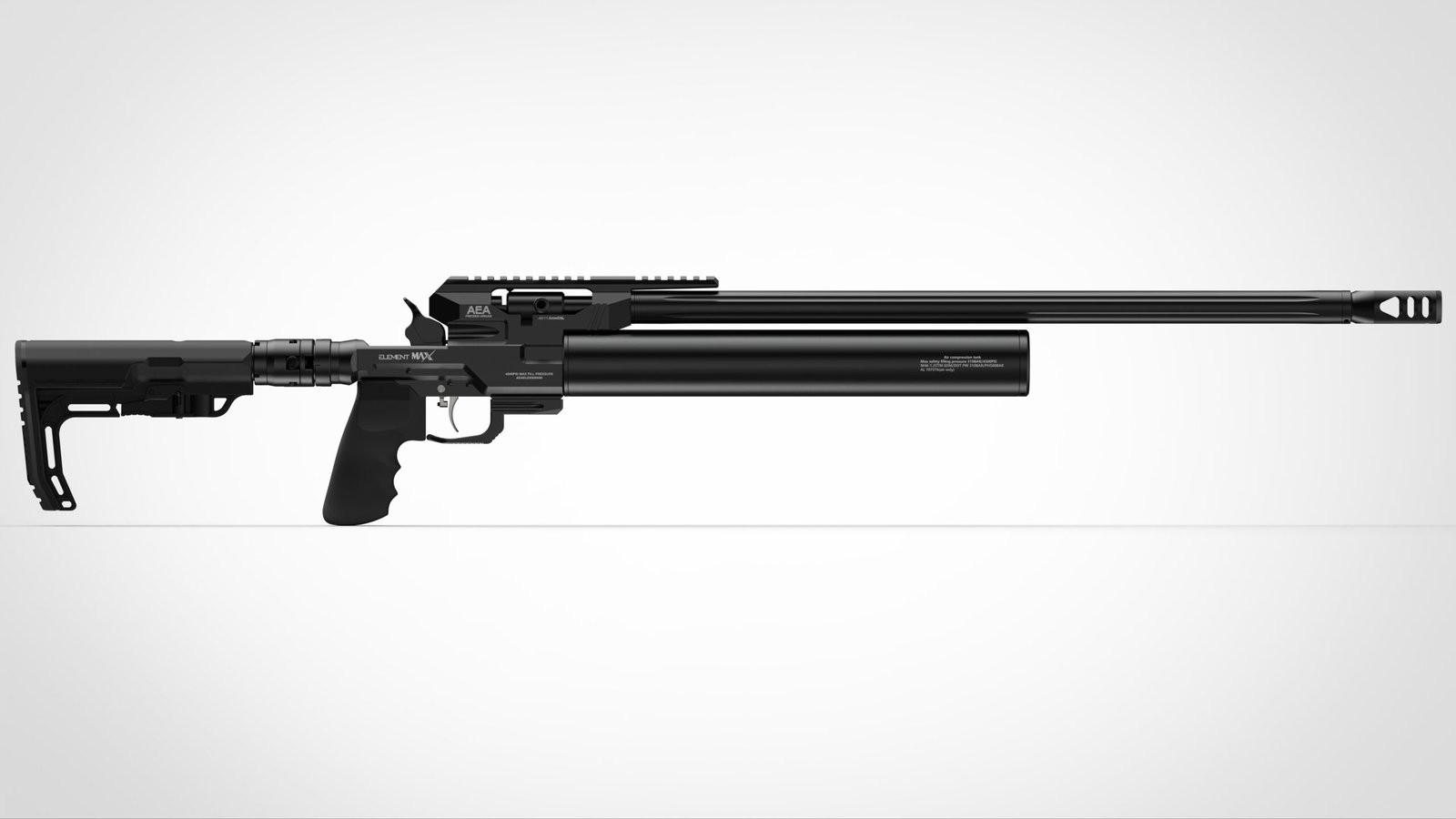
Outdoor gear has evolved far beyond basic functionality. While performance remains essential, modern users now expect equipment that also delivers comfort, convenience, portability, and ease of use. As outdoor activities continue to grow in popularity, manufacturers are increasingly adopting a user-focused approach to product design.
Today’s outdoor enthusiasts want gear that fits naturally into their lifestyle, supports their activities efficiently, and provides a better overall experience in the field.
Understanding Modern User Needs
The outdoor community has become more diverse than ever. From hikers and campers to hunters, travelers, and recreational shooters, users have different expectations and requirements.
Despite these differences, several priorities remain consistent:
- Comfort during extended use
- Lightweight and portable designs
- Reliable long-term performance
- Easy operation and maintenance
- Versatility across different environments
Modern product development increasingly focuses on meeting these real-world needs rather than simply adding more features.
Comfort Is a Design Priority
Comfort has become one of the most important aspects of outdoor gear design.
Manufacturers are investing in ergonomic solutions that improve usability while reducing fatigue. Features such as balanced weight distribution, comfortable grip surfaces, and user-friendly controls help create a more enjoyable experience.
Benefits of ergonomic design include:
- Reduced physical strain
- Improved handling
- Better control during use
- Greater comfort over long periods
Equipment that feels natural to use often leads to higher user satisfaction.
Portability Supports Active Lifestyles
As outdoor lifestyles become increasingly mobile, portability has become a major design consideration.
Users often travel with their gear, making compact and lightweight products highly desirable.
Modern portable gear offers:
- Easier transportation
- More efficient storage
- Reduced carrying weight
- Better adaptability to different situations
Advances in engineering allow manufacturers to reduce size and weight while maintaining durability and performance.
Simplicity Improves the User Experience
One of the biggest trends in outdoor product development is the move toward simplicity.
Many users prefer equipment that is straightforward and intuitive rather than overloaded with unnecessary features.
Simple designs often provide:
- Faster learning curves
- Easier operation
- Reduced maintenance requirements
- Improved reliability
A user-focused product emphasizes practical functionality rather than complexity.
Durability Remains Essential
While comfort and convenience are increasingly important, durability continues to be a core expectation.
Outdoor equipment must withstand:
- Frequent transportation
- Harsh weather conditions
- Physical impacts
- Long-term use
Modern materials and manufacturing technologies allow products to remain lightweight while delivering excellent strength and reliability.
This balance between durability and portability is a key objective of contemporary outdoor gear design.
Versatility Adds Real Value
Many outdoor enthusiasts participate in multiple activities and environments. As a result, versatile equipment is becoming increasingly popular.
Versatile gear allows users to:
- Adapt to changing conditions
- Reduce the amount of equipment they carry
- Improve overall efficiency
- Increase long-term value
Products that perform well in a variety of situations often provide a better return on investment.
Technology Supports Better Functionality
Advancements in technology continue to influence outdoor gear design.
Modern innovations contribute to:
- Stronger lightweight materials
- Improved weather resistance
- Enhanced durability
- Better ergonomics
- More efficient designs
Importantly, technology is now being used to improve the user experience rather than simply adding complexity.
The Rise of User-Centered Design
The most successful outdoor products today are designed around how people actually use them.
Manufacturers increasingly focus on:
- Real-world functionality
- User comfort
- Practical portability
- Reliable performance
- Long-term usability
This user-centered philosophy creates products that feel more natural, efficient, and enjoyable to use.